Forex trading, short for foreign exchange trading, is the act of buying and selling currencies to profit from price differences. It’s one of the most liquid and widely traded markets in the world, with over $7 trillion changing hands daily. Unlike stock trading, forex runs 24 hours a day, five days a week, with no central exchange. This makes it both accessible and volatile—attractive for short-term traders, scalpers, and longer-term macro players. But like any unregulated space where money moves fast, it attracts good brokers, bad actors, and everything in between.
For LGBTQ+ traders wondering whether forex is a welcoming space, the short answer is: the market itself doesn’t care, but the platform or broker you use might. How inclusive and respectful your trading experience is depends heavily on who you’re trading through. This article breaks down what forex trading actually is, how brokers operate, what the risks are, and whether this world has space for traders of all identities.
What Forex Trading Really Means
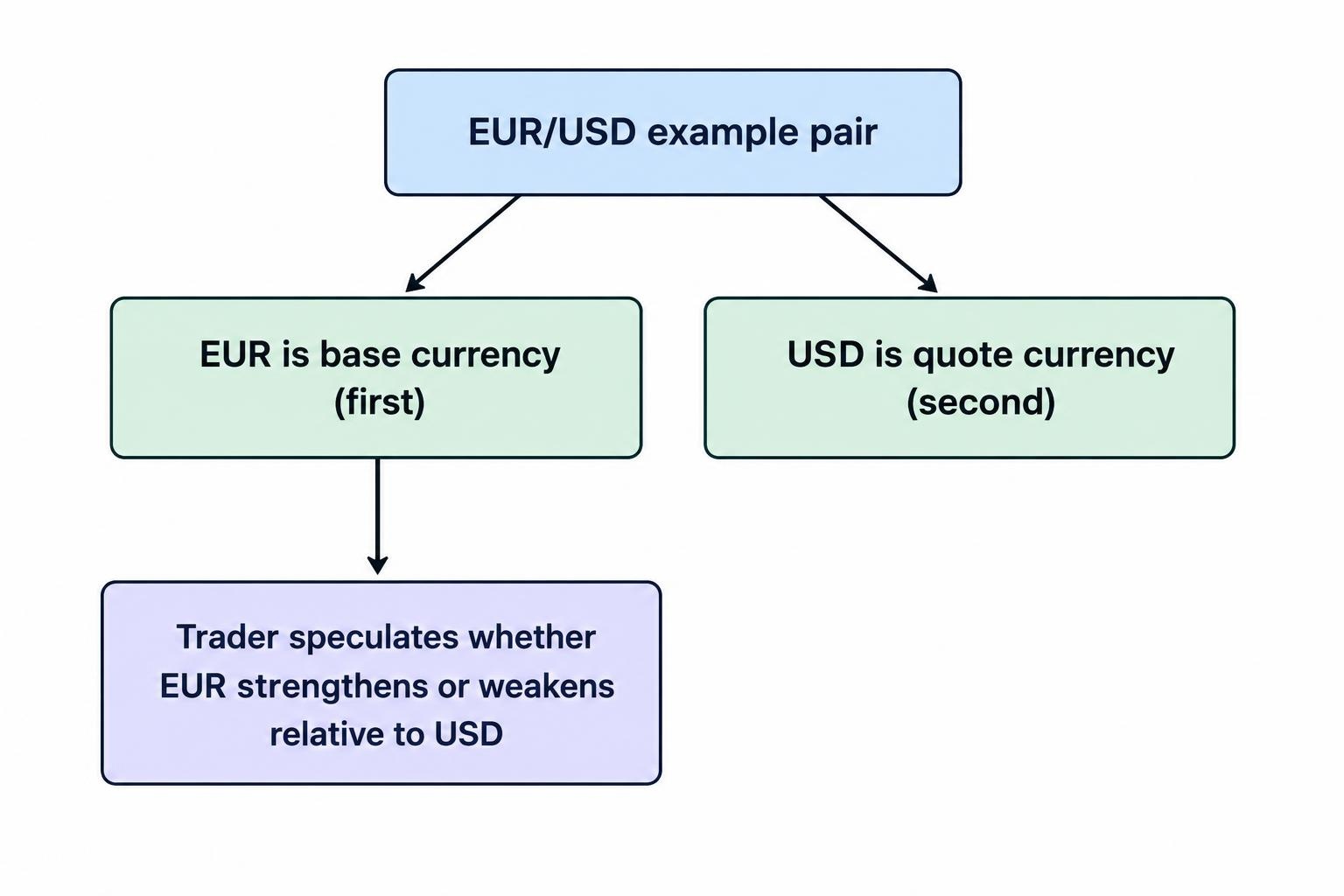
Forex trading is built around the idea that one currency’s value can rise or fall relative to another. You trade currency pairs—like EUR/USD, GBP/JPY, or USD/ZAR—speculating on whether the base currency (the first in the pair) will strengthen or weaken against the quote currency (the second one). Prices are quoted to five decimal places, and trades are typically executed in lots. One standard lot equals 100,000 units of currency, but most retail traders work in micro or mini lots.
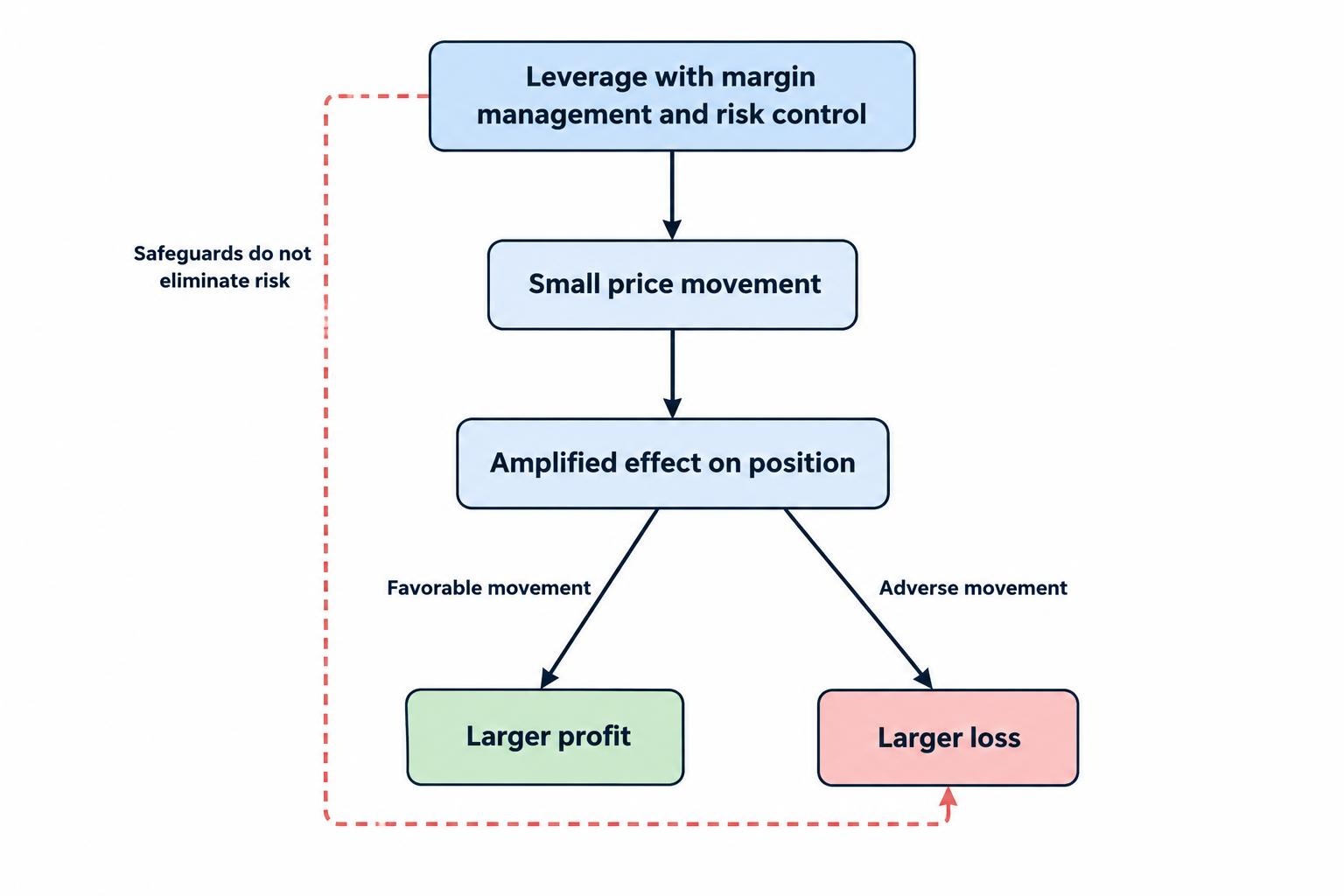
Trades can be executed manually or through automated systems, using technical analysis, price action, fundamentals, or a mix. Because forex is leveraged—often up to 30:1 or higher in some jurisdictions—small price movements can lead to big profits or losses. That’s why margin management, risk control, and broker transparency are as important as having a good trading setup.
Types of Forex Brokers
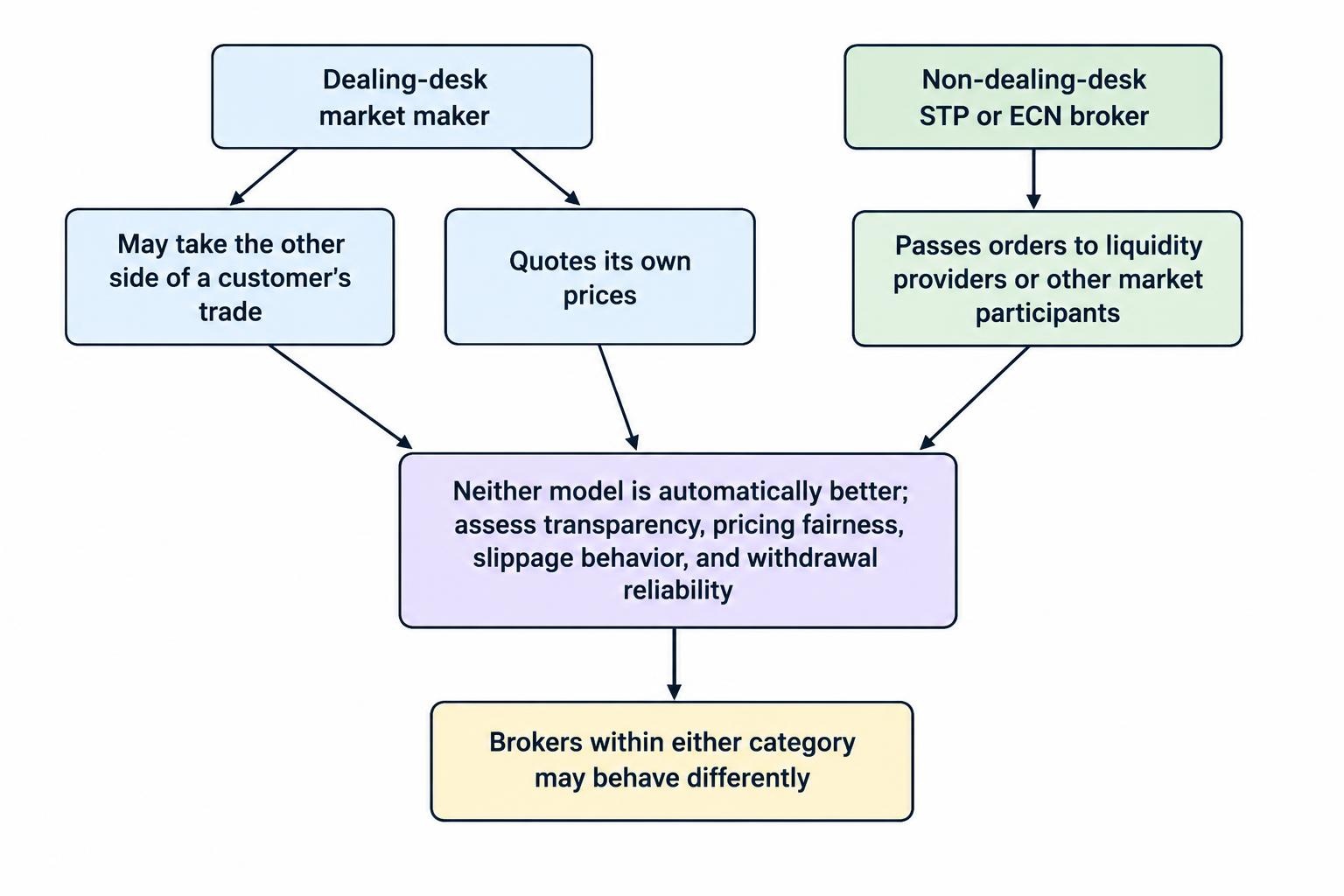
Forex brokers fall into two broad categories: dealing desk (market makers) and non-dealing desk (STP, ECN, DMA). Market makers take the other side of your trade and quote their own prices. STP and ECN brokers pass your orders to liquidity providers or other market participants. Neither model is automatically better—what matters is transparency, pricing fairness, slippage behavior, and withdrawal reliability.
Regulated brokers in top jurisdictions like the UK (FCA), Australia (ASIC), or the US (NFA) must follow strict rules about fund segregation, risk disclosures, and complaint handling. Unregulated or offshore brokers often offer higher leverage and looser rules, but they come with less protection if something goes wrong.
If you’re looking for vetted, reviewed forex brokers, ForexBrokersOnline.com offers updated lists of forex brokers categorized by platform, regulation, and support quality. They also cover common broker traps and signs of fraud.
Final Word
Forex trading is open to anyone, but the broker you choose defines your actual experience. LGBTQ+ traders should approach with the same risk controls and due diligence as anyone else—but also pay attention to how brokers handle verification, customer service, and identity data. If a broker can’t answer simple questions or creates friction based on who you are, they don’t deserve your capital. There are professional, inclusive platforms out there—you just have to find the ones that run clean, play fair, and focus on helping traders grow, not trapping them.