
High-Frequency Trading: A Closer Look
High-frequency trading, or HFT, might sound like something out of a sci-fi movie, but it’s simply where computers are swapping stocks faster than you’d believe. Forget slow and steady – think lightning-fast algorithms making trades in fractions of a second. But while this might sound like a tech-head’s dream, let’s get into whether this type of investing is friendly to everyone, including the LGBTQ+ community.
How Does High-Frequency Trading Work?
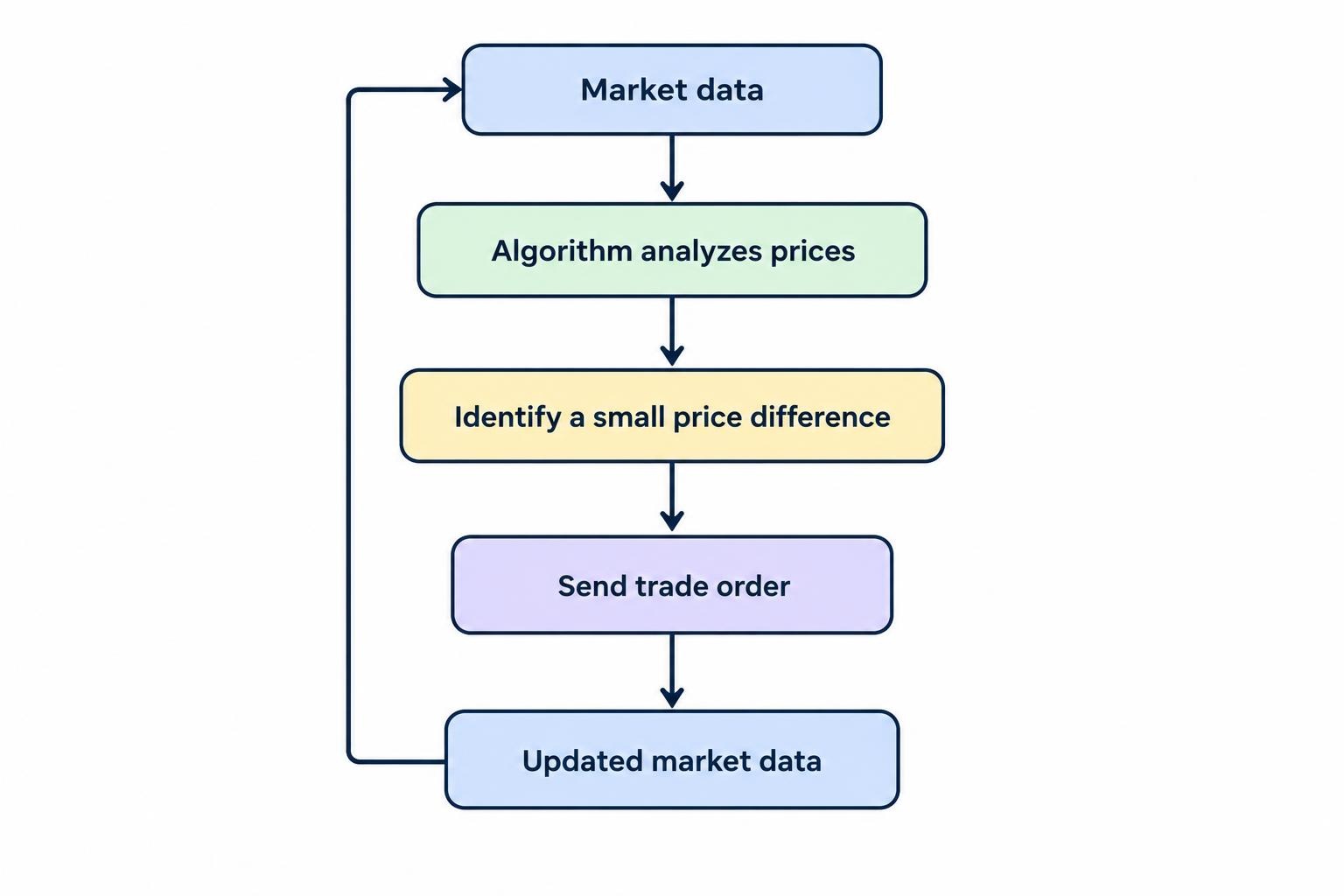
We’re talking algorithms that are as fast as a teenage gamer on energy drinks. They analyze markets, execute orders, and do it all in the blink of an eye. HFT firms use powerful computers and advanced algorithms to capitalize on minuscule price changes, and they do it repeatedly. Unlike your classic stockbroker yelling on the trading floor, these trades are happening in server rooms humming with electricity.
Why the Speed?
Speed matters here because we’re dealing with thin margins. The price differences these algorithms exploit are tiny – think pennies, or even less. But when these pennies are added up over millions of transactions, you’re looking at big bucks. It’s like finding a penny on the ground and picking it up – but a million times over.
Impact on the Markets
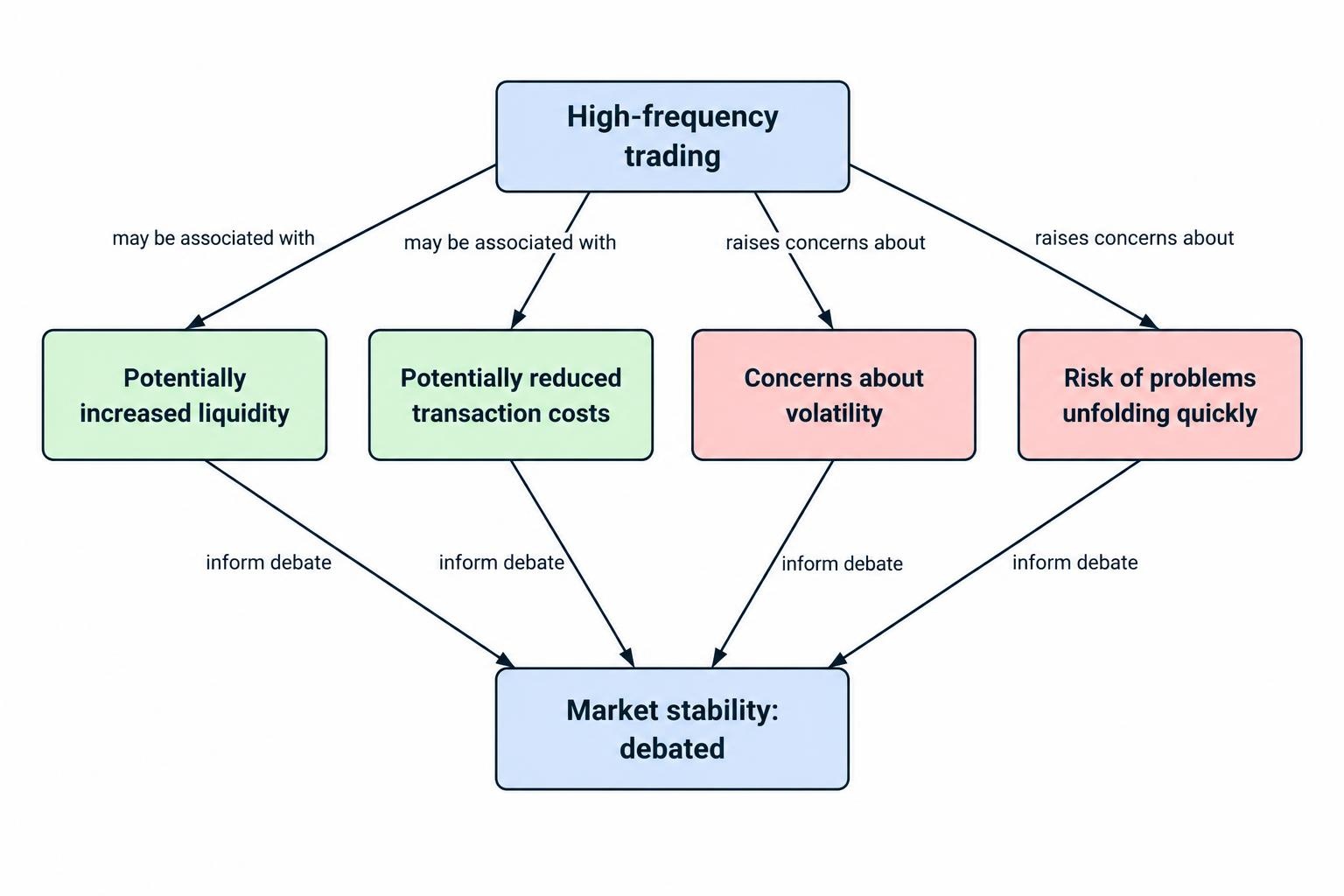
Now, don’t go thinking HFT is all sunshine and rainbows. Critics argue it adds volatility and can lead to situations like the infamous flash crash of 2010, where the Dow dropped about 1000 points in minutes. The debate continues about the role of HFT in market stability, with regulators keeping a wary eye on these speed demons of finance. Traders assure us they add liquidity, but it’s clear this trading technique isn’t without its controversies.
LGBTQ+ Inclusivity in High-Frequency Trading
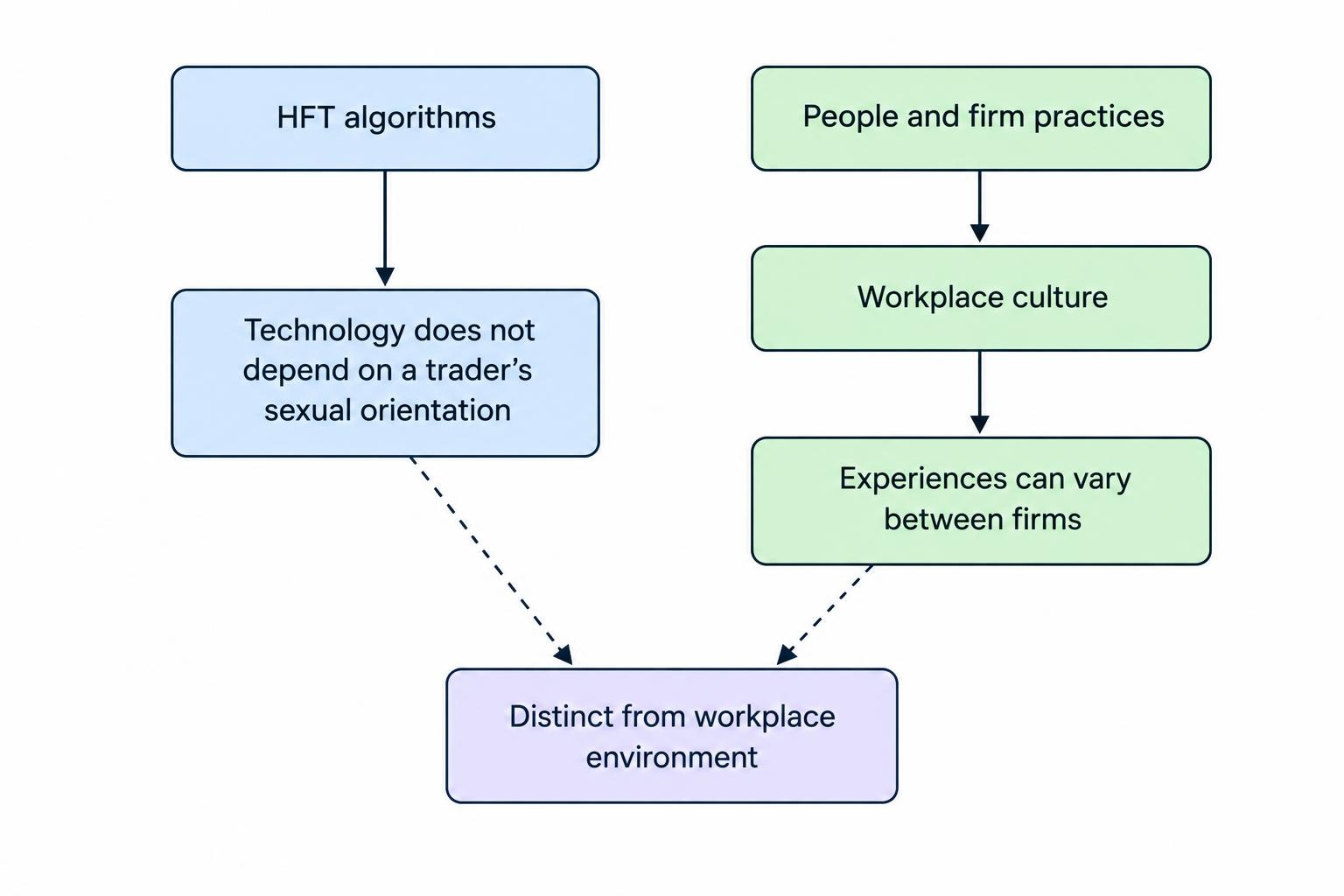
Is high-frequency trading gay-friendly? Well, algorithms sure don’t care about your orientation. The environment in which these algorithms exist, however, can be a different story. The finance sector, including HFT, has been working on becoming more inclusive. While strides have been made with policies and diversity programs, experiences can still vary greatly depending on the firm.
Many fintech companies pride themselves on fostering an inclusive atmosphere. There are initiatives aimed at promoting diversity and understanding within teams. However, it’s not a universal experience. While the tech itself is neutral, the people behind it need to ensure welcoming environments. So, it depends on the playground – some firms are more inclusive than others.
Challenges and Advantages
HFT isn’t just about buying low and selling high at breakneck speed. There are challenges like managing insane amounts of data, dealing with latency, and reacting to market changes that happen faster than you can say “quantitative easing.”
On the plus side, HFT can lead to reduced transaction costs and increased market liquidity. It’s like greasing the wheels of trading – things move faster and smoother, but if something goes wrong, it goes wrong quickly. It’s a high-stakes game where the rewards are there, but the risks can be just as high.
The Future of High-Frequency Trading
With innovations like quantum computing around the corner, the realm of HFT is poised for even more rapid evolution. The sheer potential for increased computational power means the current notion of speed could become obsolete.
Conclusion
High-frequency trading is a fascinating intersection of finance and technology. It’s where computers rule and speed is the currency. It’s also a field still working on inclusivity, with varied experiences for those in the LGBTQ+ community, depending on the culture of different firms. While it offers opportunities for profit and challenges to traditional trading, it isn’t without its controversies and risks. So whether you’re a tech wiz, a finance enthusiast, or someone looking to ensure inclusivity, HFT has something for everyone – just at breakneck speed.